
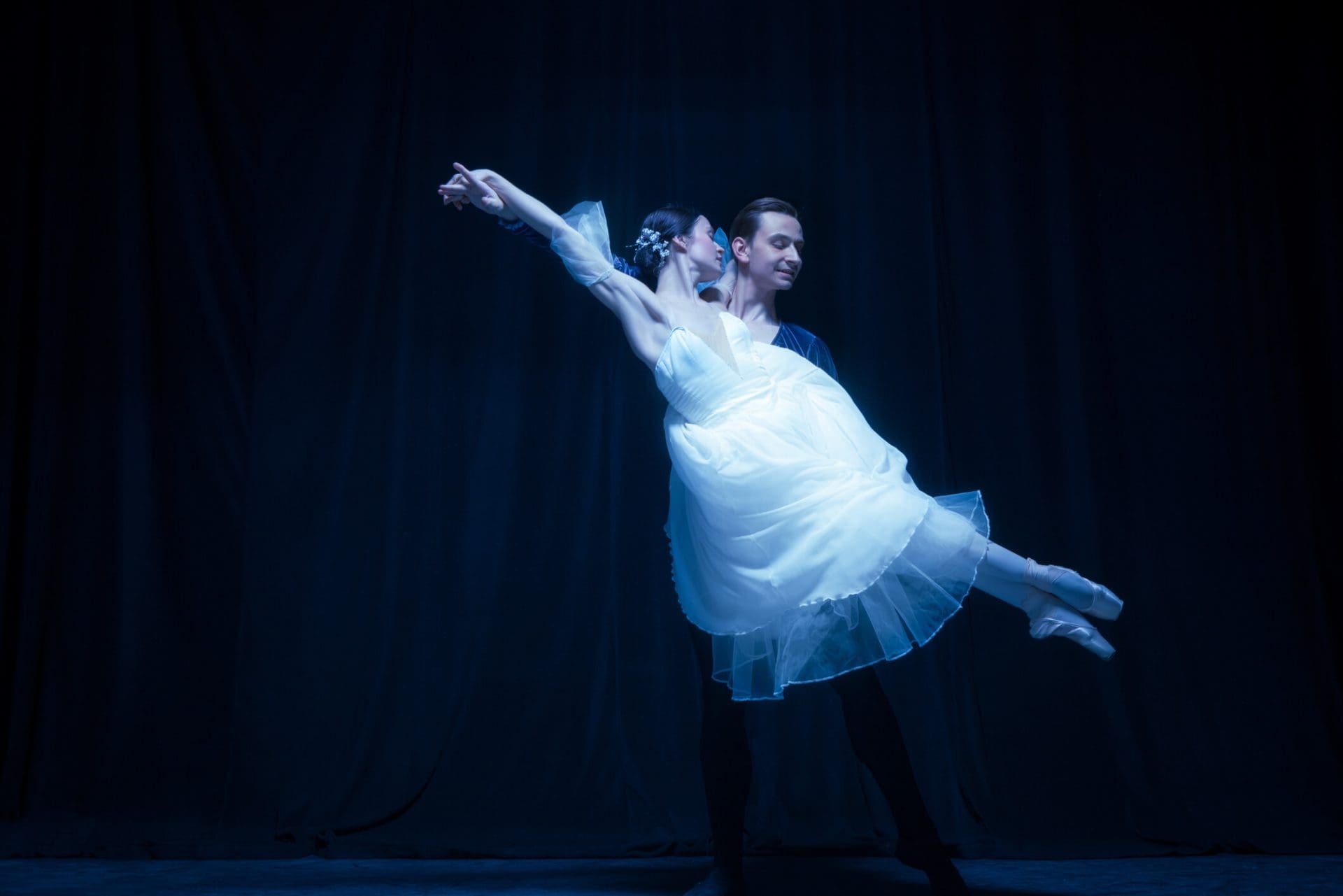
Few ballets hold as important a place in dance education as Giselle. First performed in Paris in 1841, this Romantic ballet has remained a cornerstone of classical ballet training and performance for nearly two centuries. Beyond the beautiful choreography and moving story, Giselle provides students with an opportunity to develop technical skill, artistic maturity and emotional expression.
At the Oundle School of Ballet, this month’s blog looks at Giselle and why it is important in ballet education. For more information about our classes call us on 01832 272 981.
A Foundation of Romantic Ballet History
Giselle is one of the greatest surviving examples of the Romantic ballet era. It reflects key characteristics of nineteenth-century ballet, including themes of love, nature, the supernatural and the contrast between the human world and the spiritual realm.
This ballet helps students understand how ballet developed into a dramatic art form that expresses complex emotions and storytelling. It introduces dancers to the origins of many classical ballet traditions that continue to influence modern training and choreography.
Teaching Storytelling Through Movement
One of the most valuable lessons Giselle offers young dancers is the importance of acting and expression. Ballet is a language, and every movement has meaning.
Giselle’s journey from happiness to heartbreak and forgiveness requires emotional depth. Students learn that a dancer must also communicate feelings through facial expression, musicality and the quality of movement. This helps develop performers who can connect with audiences and bring characters to life.
Understanding Musicality
The score is central to the atmosphere and storytelling of Giselle. The music guides the dancers’ phrasing, timing and emotional interpretation.
By studying the relationship between the choreography and music, students learn:
- How to move with different rhythms and tempos;
- How to use pauses and dynamics effectively;
- How to express mood and character through musical interpretation.
These skills are essential for every ballet dancer, regardless of repertoire.
Encouraging Artistic Growth
While ballet training often focuses heavily on technique, Giselle reminds students that artistry is equally important. A dancer’s ability to communicate, interpret music and portray emotion is what transforms movement into performance.
Studying this ballet encourages dancers to move beyond simply executing choreography and to become thoughtful, expressive artists.
Find Out More
For more information about our dance school, please don’t hesitate to contact The Oundle School of Ballet. Call us in Oundle on 01832 272 981. Alternatively, send us a message via our contact form.



Recent Comments